


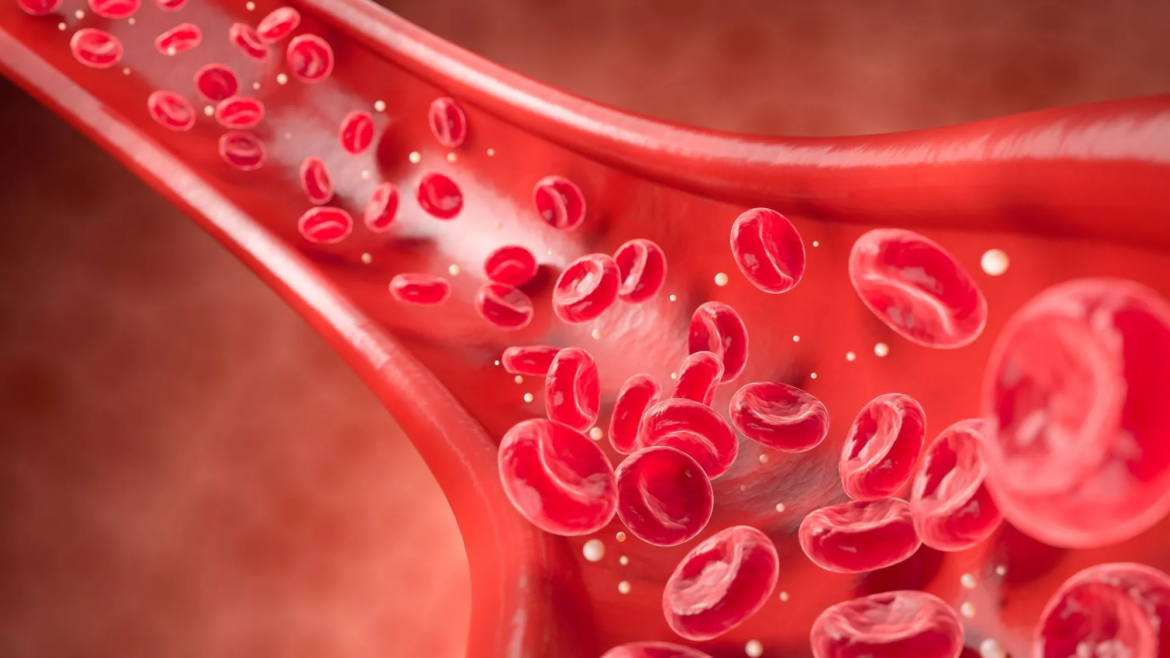
Blood flow is essential for achieving and maintaining an erection because the penis must receive enough blood and retain it to develop adequate firmness. When circulation is impaired, men may experience weaker erections, difficulty maintaining rigidity, or erectile dysfunction (ED). However, changes in erectile function are not always caused by poor blood flow. Nerve function, hormones, medications, and psychological factors also influence the ability to achieve an erection. At Men’s Health Medical Care, we help men in Miami understand their erectile health and explore treatment options based on their symptoms and underlying concerns.
How Blood Flow Creates And Maintains An Erection
An erection depends on coordinated activity between the nervous system, blood vessels, and erectile tissue. Sexual stimulation triggers signals that increase blood flow into the penis while restricting its return to the rest of the body. Both processes must function properly to produce an erection firm enough for sexual activity.
Arterial Inflow, Venous Trapping, And Nerve Signals
Sexual arousal activates nerve signals that cause smooth muscle within the penis to relax. This allows the penile arteries to widen and increases blood flow into two chambers of erectile tissue called the corpora cavernosa.
As these chambers fill, they expand and compress the veins responsible for draining blood from the penis. This restriction helps retain blood within the erectile tissue, allowing the erection to develop and remain firm.
When sexual stimulation ends, smooth muscle contracts, arterial inflow decreases, and blood drains from the erectile tissue. The penis then returns to its flaccid state.
Problems at any stage of this process may affect erectile function. Inadequate arterial inflow can prevent the penis from becoming fully rigid, while difficulty retaining blood may cause an erection to subside before sexual activity is complete.
Why Weak Blood Flow Can Cause Softer Or Shorter Erections
When insufficient blood enters the erectile tissue, the penis may develop only a partial erection or require more stimulation to achieve adequate firmness. Men may notice that their erections are softer than before, take longer to develop, or lose rigidity during intercourse.
A shorter-lasting erection may also result from difficulty retaining blood within the erectile tissue rather than inadequate arterial supply. These problems may produce similar symptoms but involve different aspects of erectile function, making it important to identify the contributing mechanism before selecting treatment.
Signs Erectile Dysfunction May Be Related To Circulation
Erectile dysfunction associated with impaired circulation is commonly described as vascular ED. It may involve reduced arterial blood supply, difficulty retaining blood within the erectile tissue, or a combination of vascular problems.
Certain patterns of erectile difficulty may raise suspicion of vascular ED, but symptoms alone cannot establish whether penile circulation is impaired. The consistency of symptoms, changes in spontaneous erections, and the presence of cardiovascular risk factors provide additional information.
Gradual ED, Weaker Morning Erections, And Reduced Firmness
A gradual decline in erection quality may suggest an underlying physical contributor, particularly when the change occurs consistently across different sexual situations. Men with possible vascular ED may notice that erections take longer to develop, do not reach their previous level of firmness, or become difficult to maintain during intercourse.
Changes in spontaneous morning erections may provide additional information. Morning erections depend on functioning nerves, blood vessels, and erectile tissue, making a sustained reduction in their frequency or firmness relevant during an ED assessment.
Men who experience consistently weak erections during sleep, masturbation, and partnered sexual activity may have an underlying physical contributor that warrants investigation. In contrast, men who maintain normal spontaneous erections but experience difficulty during specific sexual situations may have a psychological or situational contributor.
However, morning erections also vary with sleep quality, age, hormones, and other factors. Physical and psychological causes may occur together, so neither pattern establishes a diagnosis or excludes a circulation problem.
Why Blood Flow Problems Often Show Up Before Other Symptoms
The arteries supplying the penis are relatively small, making erectile function potentially sensitive to changes in vascular health. In some men, erectile difficulties develop before other noticeable symptoms of cardiovascular disease.
ED is therefore recognized as a potential marker of underlying cardiovascular risk. This does not mean that every man experiencing weaker erections has heart disease or that ED alone establishes a vascular diagnosis.
Persistent or progressively worsening erectile difficulties warrant medical evaluation, particularly when accompanied by diabetes, high blood pressure, high cholesterol, smoking, or other cardiovascular risk factors. Identifying these conditions early may reveal health concerns that require attention independently of sexual function.
Men experiencing ED alongside new or unexplained shortness of breath, chest discomfort during exertion, or reduced exercise tolerance should seek prompt medical assessment before pursuing ED treatment. Sudden or persistent chest pain, particularly when accompanied by shortness of breath, sweating, or faintness, requires emergency medical attention rather than a routine sexual health consultation.
Blood Flow Problems Pills May Not Fully Fix
Oral ED medications, including sildenafil and tadalafil, support the natural process that relaxes smooth muscle and increases blood flow to the penis during sexual stimulation. These medications may improve erection quality even when reduced circulation contributes to ED, although their effectiveness depends on the underlying cause and severity of erectile dysfunction.
Men with significant vascular impairment may experience only partial improvement or continue having difficulty maintaining erections despite appropriate medication use. A successful response also does not establish that the underlying circulation problem has resolved.
ED medication supports erectile function while active, but it does not independently treat diabetes, high blood pressure, or vascular disease that may contribute to reduced circulation. Men who respond well to medication may therefore still require evaluation and management of these underlying conditions.
When medication provides inadequate results, the next step is to review the treatment and possible causes of ED rather than assume that poor circulation is responsible. Incorrect dosing, insufficient sexual stimulation, medication interactions, and other medical or psychological factors may affect the response.
ED medications are not appropriate for every patient. Men taking nitrate medications for certain heart conditions should not use PDE5 inhibitors because the combination may cause a dangerous drop in blood pressure. Medication suitability should be established with a qualified medical professional.
Men who suspect that an existing prescription contributes to erectile difficulties should discuss their concerns with the prescribing clinician. Stopping blood pressure medication or another prescribed treatment without medical guidance may create health risks, and an alternative medication or adjustment may be available when appropriate.
What Can Affect Blood Flow To The Penis
Penile circulation is influenced by cardiovascular health, metabolic function, and lifestyle factors. Conditions affecting blood vessels throughout the body may also reduce the blood supply needed for normal erectile function.
Identifying these contributing factors helps determine whether erectile difficulties require broader medical management rather than treatment directed only at erection quality.
Age, Blood Pressure, Diabetes, Smoking, And Weight
Age is associated with an increased likelihood of erectile dysfunction, but vascular ED is not an inevitable consequence of getting older. The presence of cardiovascular risk factors and chronic medical conditions provides additional information about the likelihood of an underlying circulation problem.
High blood pressure may damage blood vessels over time and impair their ability to dilate properly. Some medications used to treat hypertension may also contribute to erectile difficulties, making medication review an important part of determining the cause.
Diabetes may damage both the blood vessels supplying the penis and the nerves involved in sexual stimulation. Men with diabetes may therefore experience erectile dysfunction through more than one mechanism, particularly when blood glucose remains poorly controlled.
Smoking contributes to vascular damage and interferes with normal blood vessel function. Excess body weight, particularly when associated with insulin resistance, high blood pressure, or abnormal cholesterol levels, may also increase the risk of vascular ED.
Managing these conditions supports cardiovascular and erectile health, although improvements in overall health do not guarantee that established erectile dysfunction will resolve. Men with persistent symptoms may require treatment directed at erectile function alongside ongoing management of their underlying medical conditions.
Stress, Inflammation, And Lifestyle Factors
Chronic stress may contribute to erectile difficulties through its effects on sexual arousal, nervous system activity, and sleep. Stress-related ED does not necessarily indicate damaged penile blood vessels, although it may occur alongside an existing vascular problem.
Chronic inflammation associated with metabolic and cardiovascular conditions may contribute to impaired blood vessel function. However, inflammation alone does not establish the cause of ED, and testing for inflammatory markers is not routinely necessary for every man with erectile difficulties.
Physical inactivity, excessive alcohol consumption, and poor sleep may also contribute to erectile problems through their effects on vascular health, hormones, or sexual response. Addressing these factors may improve erection quality in some men, particularly when they contribute to an existing medical or psychological condition.
Regular physical activity, smoking cessation, weight management, and appropriate treatment of existing medical conditions may support erectile function. The extent of improvement depends on the underlying cause, and lifestyle changes may need to accompany other ED treatments when vascular impairment is already present.
How Blood Flow Is Considered During An ED Evaluation
An erectile dysfunction evaluation helps determine whether reduced penile circulation is a likely contributor or whether symptoms suggest another underlying problem. The assessment typically begins with a review of when erectile difficulties started, how consistently they occur, and whether the patient experiences spontaneous morning erections.
A clinician may also ask about sexual desire, medication use, previous treatment responses, and existing medical conditions. These details help distinguish suspected vascular ED from erectile difficulties associated with hormonal changes, neurological problems, medication effects, or psychological factors.
A medical evaluation may include blood pressure assessment and laboratory testing for diabetes, abnormal cholesterol levels, testosterone deficiency, or other relevant health concerns. The tests selected depend on the patient’s symptoms, medical history, and clinical findings rather than a standard testing requirement for every man with ED.
When additional investigation of penile circulation is necessary, a clinician may recommend penile Doppler ultrasound to assess arterial blood flow and the ability of the erectile tissue to retain blood. This test is generally reserved for situations where the results would influence diagnosis or treatment selection, rather than being required for every patient.
At Men’s Health Medical Care, our erectile dysfunction treatment services include evaluating erectile difficulties and discussing available treatment options. Patients who require specialized vascular testing or additional cardiovascular assessment may need evaluation by an appropriate medical specialist.
Men interested in acoustic wave therapy should establish whether their symptoms are consistent with vascular ED before choosing treatment. Men’s Health Medical Care offers GAINSWave therapy , a noninvasive acoustic wave treatment marketed for erectile dysfunction associated with reduced blood flow.
A GAINSWave consultation may be relevant for men with suspected vascular ED who wish to discuss nonmedication treatment options or have experienced inadequate results with oral medication. However, an unsatisfactory medication response does not establish vascular ED or guarantee that acoustic wave therapy will improve erectile function.
The American Urological Association considers low-intensity extracorporeal shockwave therapy for ED investigational. The European Association of Urology gives a weak recommendation for its use in selected men with vascular ED, including certain patients who respond poorly to oral medication. These recommendations concern studied shockwave treatments and do not establish that every acoustic wave device or GAINSWave protocol produces equivalent results.
Patients should discuss the evidence, expected benefits, treatment limitations, and alternative options before beginning acoustic wave therapy. Men whose erectile difficulties are primarily related to hormonal, neurological, medication-related, or psychological factors may require treatment directed at those contributors rather than acoustic wave therapy alone.
Talk To Men’s Health Medical Care About ED And Blood Flow In Miami
Men experiencing persistent difficulty achieving or maintaining erections should seek an evaluation to identify possible contributing factors before selecting a treatment. A review of existing medical conditions, medications, and previous ED treatments helps determine whether further cardiovascular assessment or erectile dysfunction care is appropriate.
At Men’s Health Medical Care , we provide men’s sexual health services in Miami Lakes, including erectile dysfunction treatment and GAINSWave therapy. Our clinic offers consultations for men experiencing changes in erection quality who want to discuss their symptoms and available treatment options.
Men with suspected vascular ED should understand that improving erection quality and managing an underlying circulation problem are separate treatment considerations. Patients with known cardiovascular conditions or previously unrecognized risk factors may require additional medical assessment and ongoing care from the appropriate healthcare professional.
Contact Men’s Health Medical Care to schedule a consultation and discuss your erectile function concerns, previous treatment experiences, and whether GAINSWave or another available treatment option is appropriate for your circumstances.