


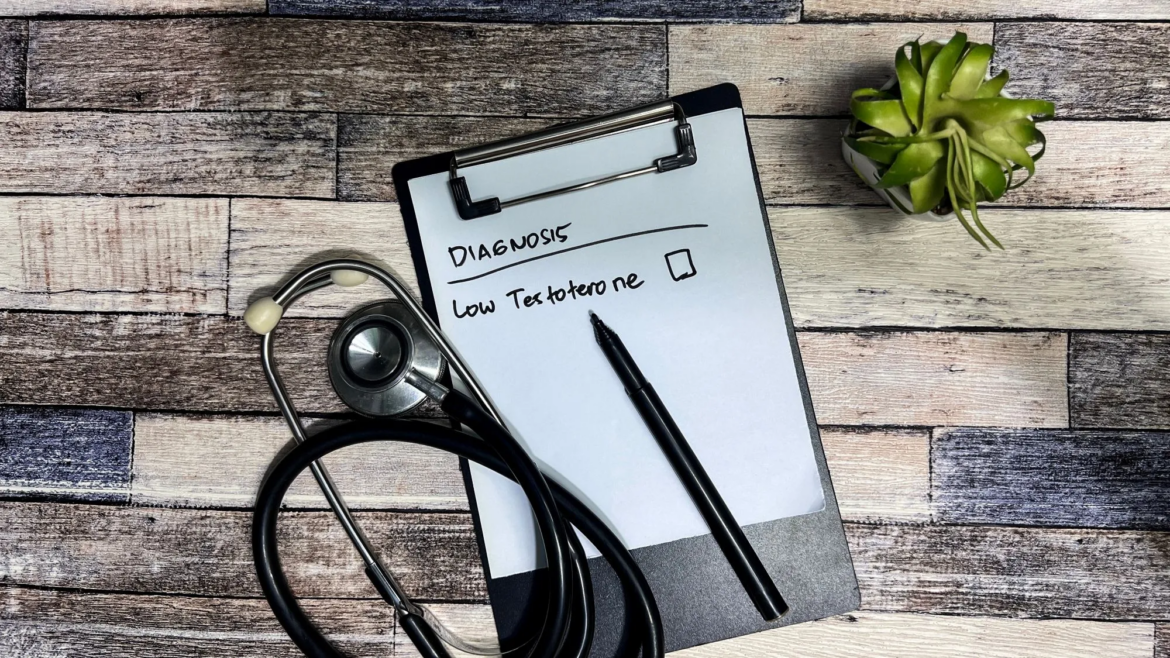
Low testosterone can contribute to persistent fatigue, reduced physical endurance, poor concentration, and difficulty recovering from workouts. At Men’s Health Medical Care in Miami, evaluating these symptoms helps determine whether hormone levels are contributing to low energy or whether another health condition requires attention.
Testosterone-related fatigue is not defined by a specific type of tiredness. It becomes more concerning when persistent low energy occurs alongside reduced libido, declining strength, or other symptoms of testosterone deficiency. Blood testing and a clinical evaluation are necessary because fatigue alone cannot confirm a hormonal problem.
How Low Testosterone Can Affect Daily Energy
Testosterone supports several functions involved in physical performance, including muscle maintenance and red blood cell production. When testosterone levels are consistently low, some men experience reduced stamina, difficulty maintaining physical activity, or a general decline in energy.
Lower testosterone can also contribute to reduced muscle mass and, in some cases, anemia. These changes may affect physical endurance and make activities that previously felt manageable more demanding.
The effects are not limited to exercise. Some men with testosterone deficiency report difficulty maintaining concentration, completing daily responsibilities, or sustaining motivation throughout the day. However, these complaints are not specific to low testosterone, and research has not established that testosterone treatment consistently improves fatigue in every man with confirmed deficiency.
The relationship between testosterone and energy is more complex than a direct connection between hormone levels and tiredness. Physical symptoms, laboratory findings, and overall health provide a more reliable basis for determining whether testosterone deficiency is contributing.
When Tiredness May Be A Low Testosterone Sign
Persistent tiredness becomes more suggestive of testosterone deficiency when it develops alongside sexual or physical changes. A man experiencing fatigue without other symptoms may have several possible explanations, while fatigue accompanied by declining libido and strength provides a stronger reason to investigate hormone levels.
The timing and progression of symptoms also matter. Persistent, unexplained, or worsening fatigue warrants clinical attention when it interferes with work, exercise, or daily functioning, particularly when additional symptoms suggest a possible hormonal problem.
Fatigue With Low Libido, Strength Loss, Or Weight Gain
Reduced sexual desire is one of the more informative symptoms associated with testosterone deficiency. When low libido develops alongside persistent fatigue, reduced muscle strength, or fewer spontaneous erections, the combination provides a stronger clinical reason to consider testosterone testing.
Changes in body composition can provide additional context. Some men with low testosterone experience reduced lean muscle mass or increased body fat, although weight gain alone is not a reliable indicator because diet, activity, medications, and metabolic health also influence body weight.
Men experiencing erectile difficulties alongside reduced libido should understand that testosterone is only one factor involved in sexual function. Blood circulation, neurological conditions, and other health factors may require separate investigation, particularly when considering erectile dysfunction treatment.
Fatigue That Does Not Improve With Rest Alone
Some men with testosterone deficiency report ongoing tiredness despite allowing enough time for sleep. They may wake feeling physically drained, struggle to maintain their usual activity levels, or find that routine workouts require more effort than before.
However, getting enough hours of sleep does not necessarily mean sleep quality is adequate. Interrupted breathing during sleep, frequent awakenings, and other sleep-related problems can cause persistent fatigue even when someone spends sufficient time in bed.
Fatigue that continues despite adequate rest deserves evaluation, but its persistence does not establish a hormonal cause. The presence of additional testosterone-related symptoms helps determine whether hormone testing should be part of that assessment.
Other Causes Of Fatigue That Should Not Be Missed
Low testosterone is one possible contributor to persistent fatigue, but it is not the only medical explanation. Identifying other causes matters because testosterone treatment will not correct fatigue caused primarily by an unrelated condition.
Sleep, Stress, Medication, Thyroid, And Metabolic Health
Several conditions and lifestyle factors can produce fatigue that resembles symptoms associated with testosterone deficiency.
- Sleep problems: Insufficient sleep, disrupted sleep, and obstructive sleep apnea can cause daytime exhaustion and impaired concentration, regardless of testosterone levels.
- Chronic stress and emotional health: Ongoing stress, anxiety, and depressive symptoms can affect energy, concentration, motivation, and sleep quality.
- Medication effects: Certain medications, including opioids and some psychiatric medications, can contribute to fatigue or affect hormone regulation.
- Thyroid dysfunction: An underactive thyroid can cause fatigue, reduced physical stamina, and difficulty concentrating, making thyroid assessment relevant when symptoms suggest a possible disorder.
- Metabolic and general health conditions: Diabetes, anemia, and other medical conditions can affect energy levels and physical endurance, sometimes requiring additional laboratory investigation.
These factors can coexist with testosterone deficiency rather than functioning as completely separate explanations. A man with low testosterone and untreated sleep apnea, for example, may continue feeling exhausted unless the sleep disorder is addressed.
Sleep apnea also creates an important treatment consideration. Clinical guidelines recommend against starting testosterone therapy in men with untreated severe obstructive sleep apnea, making identification and appropriate management of this condition important before hormonal treatment begins.
Why Men Should Avoid Self-Diagnosing Low Testosterone
Fatigue is too nonspecific to establish testosterone deficiency without laboratory evidence. Online symptom questionnaires, changes in gym performance, or assumptions based on age cannot determine whether testosterone concentrations are consistently below the expected range.
Self-diagnosis can also lead men toward testosterone products or treatment before identifying the underlying cause. Externally administered testosterone can suppress sperm production, increase red blood cell concentrations, and require medical monitoring, making treatment inappropriate without an established indication and assessment of potential risks.
Persistent or progressively worsening fatigue, particularly when accompanied by unexplained weight loss or a significant decline in daily functioning, should prompt medical evaluation. Sudden or severe chest discomfort, serious breathing difficulty, or fainting requires emergency medical attention rather than a routine hormone consultation.
What Testing Can Show About Testosterone-Related Fatigue
Testosterone testing helps determine whether hormone concentrations are consistently low enough to support a diagnosis of testosterone deficiency. The evaluation also establishes whether further hormonal investigation is appropriate before treatment is considered.
Morning Testing And Repeat Confirmation
Testosterone concentrations normally fluctuate throughout the day and are generally higher in the morning. For this reason, initial testing typically involves an early-morning total testosterone measurement, with endocrine guidelines recommending fasting samples.
If the first result is low, a second morning measurement on a separate day is generally needed to confirm the finding. Temporary illness, inadequate sleep, and normal day-to-day variation can influence hormone concentrations, making repeat testing important before establishing a diagnosis.
When the first measurement is low but the repeat result falls within the normal range, persistent testosterone deficiency has not been confirmed. A clinician may recommend additional testing or review circumstances that could have influenced the measurements before deciding whether further investigation is appropriate.
Total Testosterone, Free Testosterone, And Symptom Fit
Total testosterone measures the testosterone circulating in the bloodstream, including hormone bound to proteins and the smaller portion that circulates freely. It is generally the starting point for evaluating suspected testosterone deficiency.
Free testosterone measures the portion not bound to proteins and can provide additional information when total testosterone is borderline or when changes in sex hormone-binding globulin (SHBG) may affect interpretation. Not every man requires free testosterone testing, and the decision depends on the initial results and clinical circumstances.
The relationship between test results and symptoms is essential because a low laboratory value cannot independently establish the cause of fatigue. A man with consistently low testosterone and reduced libido has a different clinical presentation from someone with isolated fatigue and normal hormone concentrations.
Even when testosterone deficiency is confirmed, other contributors to fatigue may still require investigation. Additional testing for anemia, thyroid dysfunction, or metabolic conditions may be appropriate based on the patient’s symptoms, examination, and medical history.
What Energy Improvement Can Look Like After Treatment
Men starting medically indicated testosterone treatment may notice changes in energy, sexual desire, or general well-being over time, but improvement is not guaranteed. The response depends on whether testosterone deficiency was contributing to the original symptoms, the treatment used, and the presence of other health conditions.
Some men report improvements in energy over several weeks, while others require a longer period before any meaningful change becomes apparent. However, testosterone therapy should not be expected to produce an immediate increase in energy, and some men experience little or no improvement in fatigue despite normalization of hormone levels.
Research illustrates these limitations. The Testosterone Trials, which studied men aged 65 and older with moderately low testosterone, found no statistically significant improvement in the primary fatigue outcome compared with placebo. Some secondary measures of perceived vitality and energy showed small improvements, indicating that subjective benefits are possible but should not be assumed for every patient.
Changes in sexual desire may become noticeable before improvements in muscle mass or body composition, which generally develop over a longer period. These different responses mean an improvement in libido does not necessarily indicate that energy levels will improve at the same rate.
Follow-up commonly includes reassessing symptoms and testosterone concentrations around three months after starting treatment, although the timing depends on the prescribed formulation and clinical circumstances. This review helps determine whether hormone levels have reached the intended range, whether adverse effects are developing, and whether the original symptoms have meaningfully improved.
If testosterone levels normalize but fatigue remains unchanged, the clinician should investigate other possible causes rather than automatically increasing the dose. The American Urological Association recommends discussing treatment discontinuation after three to six months when testosterone levels have normalized without meaningful symptom improvement, making continued therapy dependent on demonstrated benefit and an appropriate assessment of risks.
Men considering low testosterone treatment should understand that therapy requires ongoing monitoring rather than a fixed expectation of increased energy. Treatment decisions must account for medical history, fertility plans, treatment response, and whether sufficient evidence supports testosterone deficiency as a contributor to the patient’s symptoms.
Get Low Testosterone Evaluation At Men’s Health Medical Care In Miami
Persistent fatigue accompanied by low libido, declining physical strength, or changes in sexual function may warrant testosterone testing. Men’s Health Medical Care in Miami provides consultations for men experiencing possible testosterone deficiency, including symptom review, medical history assessment, and laboratory evaluation.
The evaluation helps determine whether testosterone deficiency is present and whether hormonal treatment or additional medical investigation is warranted. Men whose fatigue suggests another medical condition may also require further assessment so treatment decisions address the likely contributors rather than hormone levels alone.
If ongoing tiredness is affecting your workouts, concentration, or daily performance, contact Men’s Health Medical Care to discuss a low testosterone evaluation in the Miami area. Reviewing your symptoms and completing appropriate testing can help determine whether testosterone treatment is suitable or whether another underlying cause of fatigue needs attention.